Your First Prompts
How to get into Meta's Playground, what the billing and spend-limit alert really do, what the controls mean, and how to choose a reasoning effort for a first prompt you can check.
Your First Prompts
How to get into Meta's Playground, what the billing and spend-limit alert really do, what the controls mean, and how to choose a reasoning effort for a first prompt you can check.
You come away knowing how sign-up and billing work, why the spend limit is an alert and not a cap, what the Playground tabs and settings do, how reasoning effort changes cost, and how to pick a first prompt whose answer you can verify.
Honest about how it was made: this film was drafted in Muse and then cleaned up and rebuilt with Claude. The film corrects the course in one important place: Meta's help page says Model API has no hard spending cap, only a monthly spend limit alert, and you still owe usage past that amount. "No minimums" is Meta's wording; the roughly one-dollar first charge is the course's own experience and the film says Meta does not publish the threshold.
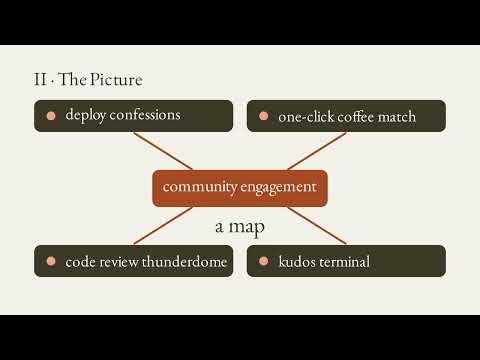
A note that opens the film Muse drafted this, Claude cleaned it up. This film began as a rough draft made with Muse. Muse runs on a simple model called Spark, and Spark makes a lot of mistakes, so Claude cleaned the draft up. The method is the point: draft in Muse, then finish in Claude or Codex. One kind of mistake we looked for: a draft Muse diagram of two big boxes and a check mark under a question about whether a non-technical person could use it, with both boxes empty. A diagram that shows nothing teaches nothing, so Claude replaced diagrams like this one.
Narrated by Liam, in for Bear. Narration is an AI voice; the film was made with AI tools.
Chapters 0:00 Muse note 0:28 The idea and the key terms 0:56 Getting In 1:30 The Money 2:57 The Controls 3:56 Reasoning Effort 4:44 Your First Prompt 5:17 The Door Out 5:57 Recap 6:23 Your Turn
Your turn Paste this into Claude: I'm about to try Meta's Muse Spark in the Playground for the first time. The topic I know well is [name your topic]. Write me one first prompt on that topic that I can check against a source I trust. Tell me which reasoning effort to start with and why, and list three claims in a good answer that I should verify. Don't answer the prompt yourself. Then check two things yourself. Did it start at a low reasoning effort and say why? And are the claims it lists ones you can really look up?
Sources shown on screen Meta's public help center and docs at dev.meta.ai (Playground, sign-up, billing, spend-limit alert, usage, reasoning, pricing and rate limits, models, contributor tier), captured 2026-10-07. Narration follows a Muse course taught by Andrew Brown, named on screen. Nothing here is a product endorsement.
Part of the playlist Muse for Educational AI.
@NikBearBrown
What this video covers
- 0:00 — Muse note
- 0:28 — The idea and the key terms
- 0:56 — Getting In
- 1:30 — The Money
- 2:57 — The Controls
- 3:56 — Reasoning Effort
- 4:44 — Your First Prompt
- 5:17 — The Door Out
- 5:57 — Recap
- 6:23 — Your Turn
Transcript
A lightly formatted transcript of the video, with timestamps so you can jump to any section on YouTube.
Muse note
[0:00] A note before we start, this film began as a rough draft made with Muse. Muse runs on a simple model called Spark and Spark makes a lot of mistakes. So, Claude cleaned this draft up. The method is the point, draft in Muse then finish in Claude or Codex. Here is the kind of mistake we look for. A draft diagram from Muse, two big boxes and a check mark under a question about whether a non-technical person could use it. Both boxes are empty. A diagram that shows nothing teaches nothing. So, Claude replaced diagrams like this one.
The idea and the key terms
[0:28] Hello, this is Liam and for Bear. You may have heard that Meta has new AI models. This lecture is about the place where you first talked to one, a web page called the playground. How you get in, what it costs, and what its controls do. Five terms, the playground, Meta's web page for trying a model without writing code. Model API, the service that runs Meta's models for you. A prompt, the text you send. A token, a small chunk of text, the unit you pay by. And streaming, the answer appears as it is written.
Getting In
[0:56] >> [clears throat] >> The playground is a web page where you try Meta's models by hand. You chat, attach files, and change settings, all without writing code. Meta calls it the fastest way to see how a model responds. To get in, you sign up on Meta's Model API site. You must be 18 or older in a supported country. Choose start building, keep individual selected, and sign up with email, a phone number, Facebook, Google, or GitHub. Then add a card. In billing, choose add payment method, enter your card details, and save. Meta then asks for name and address, your legal name if you are not a business. That is the whole setup. Meta's pricing page says
The Money
[1:32] You pay only for what you use, with no minimums and no upfront commitment. So, there's no deposit to make before you start experimenting. Instead, charges build up as you use it. Your card is billed when the balance reaches a payment threshold or on the first of the month, whichever comes first. Where is that threshold? Andrew Brown, who teaches a Muse course, saw his first charge land at about a dollar. Meta's help pages do not publish the number and say it can rise as you make payments. Now the spend limit with a correction. The course describes it as a cap. Meta's own help page says there is no hard cap. You set a monthly spend limit alert and Meta emails you when usage reaches the amount you chose. And you still owe anything past that amount.
So treat the alert as a smoke detector, not a break. Set it low and check your usage before it goes off. What does it count? Tokens, roughly three to four characters of English text each. Meta's own example, "Hello, how are you?" is about six tokens. Every request has input tokens, what you send, and output tokens, what comes back. At Meta's standard prices, a thousand tokens in cost about an eighth of a cent. A thousand tokens out cost about four tenths of a cent. Output costs more, so a short prompt and a short answer cost a fraction of a cent. To watch the meter, open the usage page. It shows tokens used split into input and output with tabs for tokens and requests per day. You can break it down by model and playground use counts, too.
The Controls
[2:57] Inside the playground, four tabs run across the top. Chat is where you talk. Compare runs one prompt against more than one model. Get code turns your setup into code. History reopens old conversations. Beside the chat sits the settings panel. Model, system instructions, the role or rules you give it. Temperature, max tokens, and top P, which tune the reply. Reasoning effort, streaming, and advanced. You choose a model in the model picker. Meta's docs list three Spark versions. 1.3 is the newest and the one Meta recommends for new work. The course was recorded on 1.2. Meta also sells contributor versions of Spark with names ending in contributor. They cost less because Meta may train on your prompts. Meta's rules say to send them no personal or confidential information. For anything personal, use a standard model. Streaming is a switch. On, the answer appears as it is written. Off, you wait and get it whole. The total time is the same, but the first words come sooner. With reasoning on, expect a pause before the first word.
Reasoning Effort
[3:57] Mu Spark is a reasoning model. Before it answers, it thinks privately, and you never see that text. But, those reasoning tokens count as output, so they show up on your bill at the output price. You choose how hard it thinks with reasoning effort. Meta's table runs minimal, low, medium, high, and extra high, which the course calls extra high. Max sits above that on the newest Spark only. More effort means more tokens, more waiting, and more cost. So, match the effort to the job. Meta says to use the lowest level that gives acceptable results. Lookups, formatting, and translation can stay low. Proofs, multi-step code, and planning earn high. Here is what it can cost. Reasoning tokens bill like output. 10,000 of them at $4.25 per million come to about 4 cents. Cheap, until you run it a thousand times.
Your First Prompt
[4:44] For a first prompt, ask about something you can check. Andrew Brown's quality test was a list of grammar points for the JLPT N5, the beginner level of a Japanese exam. A test like that works because the answer can be checked. Then, check it against something you trust. A textbook, your own notes, a source you can open. Ask three things. Did it answer what I asked? Is it right where I can verify? Does it earn a second look? Then, keep going. The model keeps the context of earlier turns, so a follow-up can build on its last answer. And, your conversations are saved under history, so you can reopen them later.
The Door Out
[5:18] Under advanced, the playground goes further. A JSON schema for structured answers, tools the model can call, and seed messages. Upload file attaches an image or a PDF. The course also shows a search switch. All bigger than a first prompt. When you are ready to build, get code turns your current setup into ready-to-run code. Same model, same settings, now in your own program. Playground requests count toward the same usage and rate limits as the API. One last thing, prices, versions, and buttons change. Everything here comes from Meta's own help and docs pages, captured on October 7th, 2026. The playground needs a sign-in, so it is drawn from Meta's description. Check
Recap
[5:57] Before you spend. Let's recap with Claude. You sign up, add a card, and open the playground, Meta's webpage for trying models. You pay after you use it, and the spend limit is an email alert, not a hard cap. The settings panel sets the model and streaming, and a standard model is the one for anything personal. Reasoning effort trades tokens, time, and cost for depth, so match it to the job. Ask about something you can check, then check it. And get code turns your playground setup into code for your own program.
Your Turn
[6:23] Your turn. Paste this into Claude. I'm about to try Meta's Muse Spark in the playground for the first time. The topic I know well is name your topic. Write me one first prompt on that topic that I can check against the source I trust. Tell me which reasoning effort to start with and why, and list three claims in a good answer that I should verify. Don't answer the prompt yourself. Then check two things yourself. Did it start at a low reasoning effort and say why? And are the claims it lists ones you can really look up? Your first prompt said Nick Bear Brown.